

Medical training is busy, but it’s important that we students not lose sight of our hobbies and interests in the process. For me, creating art is not only a way to stay grounded amid the stressors of medical school but also a powerful tool for communicating ideas.
MY EXPERIENCE WITH ART
I’ve enjoyed painting since I was a young child. Over the years, my style has evolved and improved, influenced by my growing interests, technical skills, and life experiences. I find that making art for myself and my loved ones is a great way to unwind and relieve stress.
Visual art is also a valuable teacher, as each work is a culmination of knowledge, studying, and practice built upon every piece created before it (Figure 1). I try to regularly enter art contests and challenges, as these experiences motivate me to improve my skills and help me connect with the art community. I have found that this approach to learning translates to other areas of my life, including medical school.
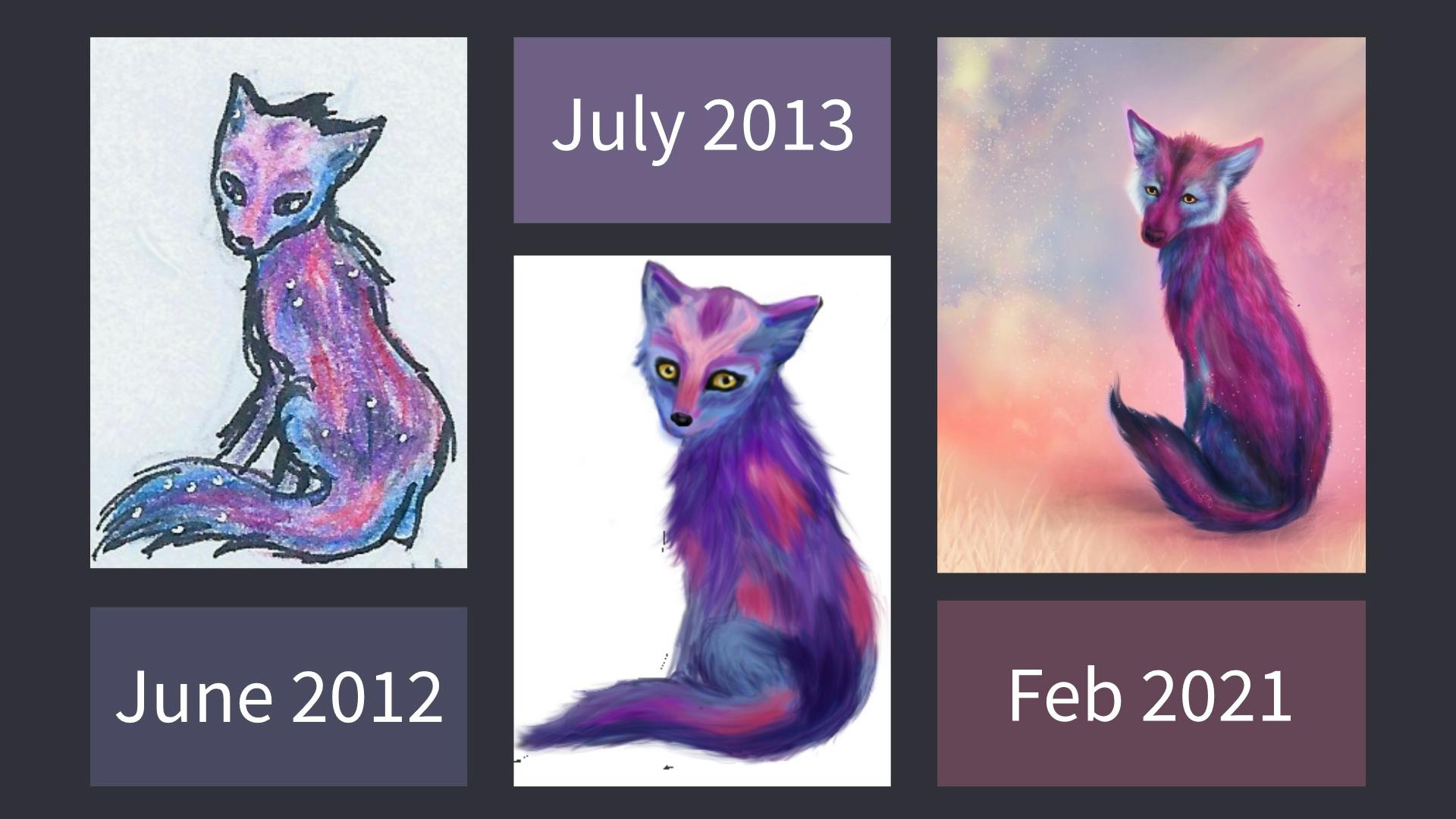
Figure 1. An art challenge called Draw This Again, showing my progression of skill in 9 years of painting (age 14 to 23).
Art also helps me explore and express feelings and ideas about our connection to one another and the world. A career in medicine involves significant emotional processing and introspection, and art is one of the ways in which I do this. Figure 2 shows a series that has helped me reflect on my place in medicine (Figure 2).
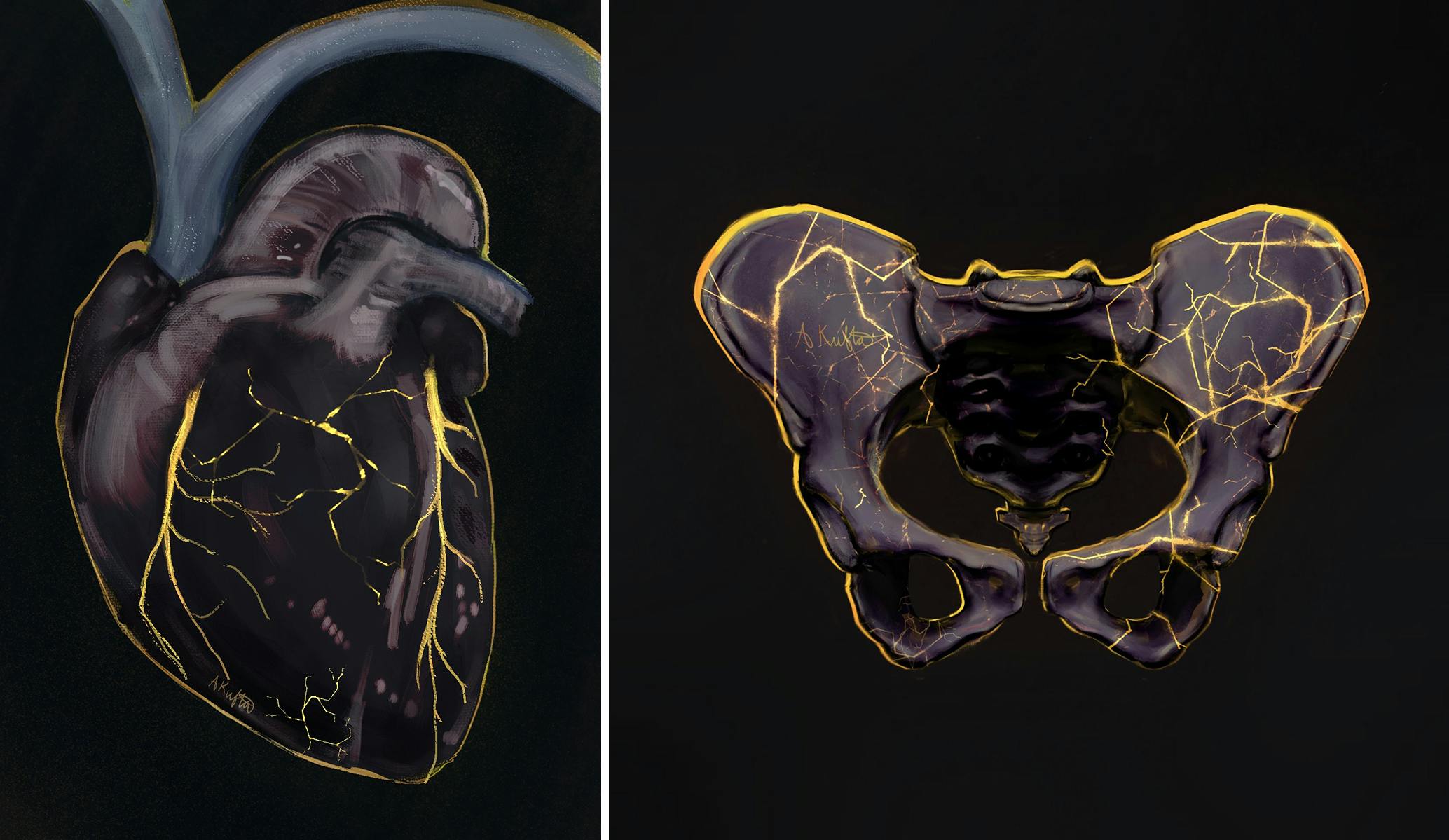
Figure 2. Cardiac Kintsugi (left), a piece inspired by the Japanese art of repairing broken pottery with gold and a reflection on what it means to be a healer. I entered the MedMic Summer 2023 Visual Arts Contest and was honored to be selected as the first-place winner. Coxae in Gold (right), another piece in the series drawn while I was reflecting during our reproductive block.
APPLICATIONS OF MEDICAL ILLUSTRATION TO OPHTHALMOLOGY
During undergrad and medical school, I realized that painting enhanced my studying and my ability to communicate complex ideas. While I try to keep painting time separate from work so that I don’t burn out on my favorite hobby, I still find it immensely useful as a study tool. Making my own medical visual mnemonics (similar to SketchyMedical and Pixorize) helps me retain information. Arranging images into a collage is a way to try this without drawing.
Perhaps more important than studying, medical illustration can be a great asset to your professional skillset as a future or current physician. There are numerous opportunities to have your art published for education, research, and editorial purposes (Figure 3).
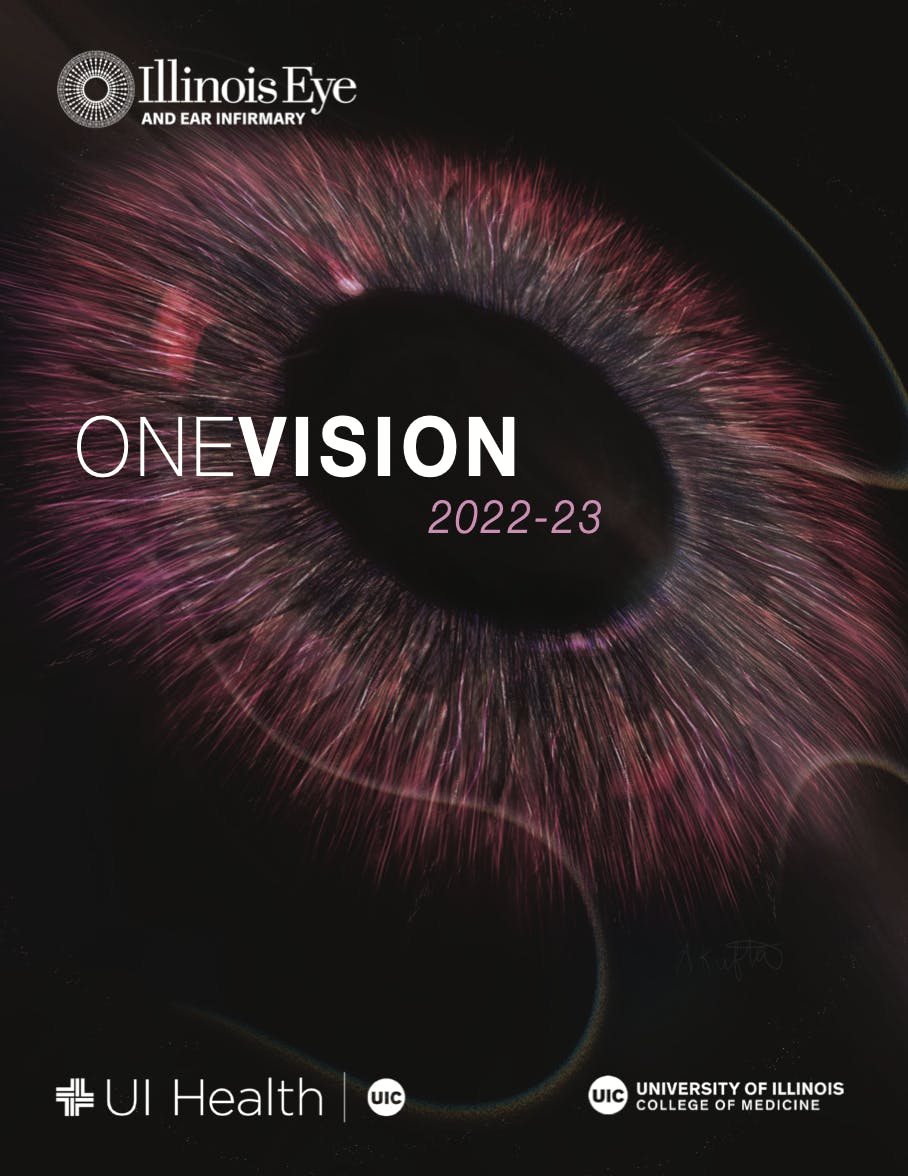
Figure 3. I was honored to have the opportunity to illustrate the cover of my ophthalmology department’s Annual OneVision Report. I enjoyed communicating with the design team and tweaking my work to align our artistic visions.
Medical illustration opens doors in a variety of contexts, such as patient education materials, medical device manuals, illustrations in research articles, social media campaigns, and even entire businesses. I have found many of my own professional and volunteer opportunities through my interest in art. Don’t be afraid to reach out first to organizations and/or people you’d love to work with.
Regardless of the way in which you integrate art into your professional life, there are substantial opportunities to learn new skills and build connections with more people. For example, running a small art business helped me learn about website development and improve my time management—both useful skills for a future physician.
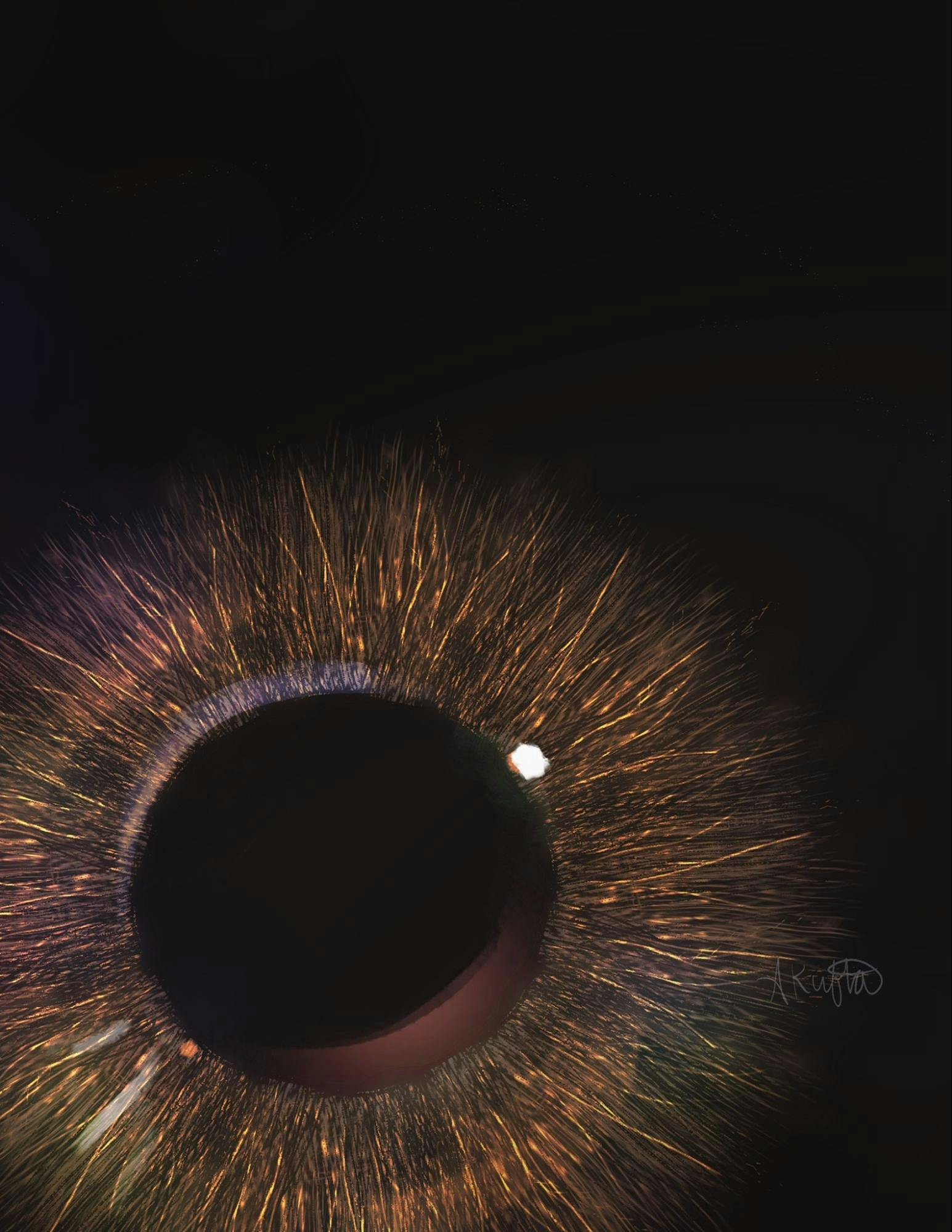
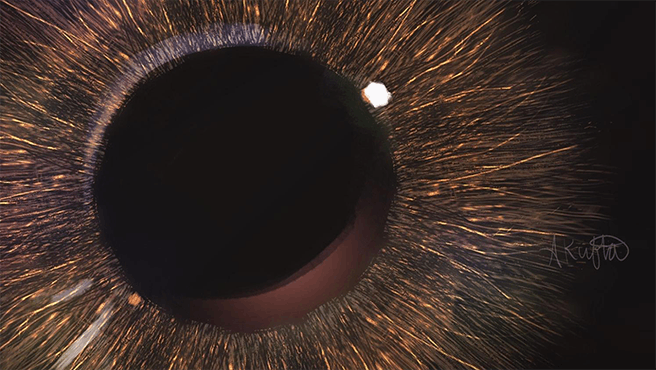
Figure 4. A personal painting I did to relax and practice a new way of painting eyes.
Last, medical illustration builds fine motor skills and endurance, which are essential to a career in ophthalmology, where operations occur at a tiny and precise scale. Microsurgery and medicine are both themselves a form of art, and working on art is a chance to build some of these transferable skills.
CONCLUSION
I hope that this article helps you think of ways to translate your outside interests to your career in ophthalmology and to find a potential outlet for some of the stress that comes with training.