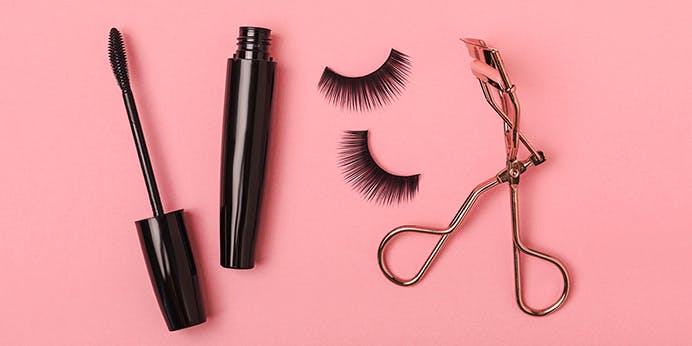


Given the breadth of eye health topics that ophthalmologists must be familiar with, eye makeup may seem like a low priority. Cosmetic products, however, can significantly affect eye health, which is particularly concerning for patients with eye sensitivity or preexisting ocular surface conditions. Eye care practitioners also commonly receive patient inquiries about product usage. Therefore, we must understand the intersection between cosmetics and eye health to provide comprehensive care.
Eye Sensitivity and Makeup
Eye sensitivity, once predominantly an issue for older adults, now affects younger individuals due in part to increased screen time and environmental factors. Some ocular surface conditions such as dry eye disease—a common ocular complaint that can impact surgical outcomes—are associated with cosmetic use.1 Additionally, social media is rife with trends and “hacks” for eyelid and lash treatments, some of which pose risks of ocular injury. These developments necessitate a more thorough approach by ophthalmologists when discussing eye health and cosmetics with patients.
Eye makeup often contains colorants and fragrances that can trigger allergies or irritate sensitive eyes. Mascara and eyeliner can harbor pathogens if not properly cared for or kept past the expiration date. Educating patients about the importance of regularly replacing their products and maintaining proper hygiene is crucial. Mascara, for example, typically has a recommended shelf life of about 6 months.
Eye makeup removal is also an important consideration. A biphasic or balm cleanser and micellar water are great options. These can be applied to dissolve makeup and then gently swiped away, ideally without rubbing or pulling too hard on the skin. Once all makeup is removed, a mild cleanser can be used to cleanse the eyelids, followed by a hydrating eye cream. It is advisable to avoid harsh soaps that are not formulated for eyelid skin and makeup remover wipes, which can irritate the delicate eye area.
Patients who wear contact lenses face unique challenges with eye makeup, as products can migrate into the eye and deposit on or under the lens, causing irritation. It is essential to recommend eye makeup products that are compatible with contact lens wear. Such products should be tested for safe use in contact lens wearers and formulated with ingredients that prevent flaking. For a product to be classified as contact lens safe, it must be tested on a large number of subjects and pass standard testing protocols.
Cosmetic Safety
In the United States, cosmetics manufacturers are responsible for ensuring the safety of their products before they reach the market. There is no requirement for safety testing by dermatologists or ophthalmologists, even for products used near the eyes.
I partnered with Clinique as their first Guiding Ophthalmologist because, for years, the company has conducted ophthalmologist and dermatologist safety testing on all eye makeup products. As ophthalmologists, it is our responsibility to advocate for the health and safety of our patients, even as it pertains to eye makeup. Companies are not required to conduct rigorous product testing for eye safety. We should therefore encourage patients to choose products that are labeled ophthalmologist-tested, safe for contact lens wearers, and safe for sensitive eyes. These designations provide an additional layer of assurance. By promoting awareness of these labels, we can help patients make informed choices that protect their vision and overall eye health.
A Message for Ophthalmologists
The ophthalmology community should remain informed of all eye care concerns that are important to patients. If a patient has eye sensitivity or is wary of using eye makeup, we can suggest that they look to brands that perform rigorous safety testing. Finally, we should emphasize the importance of regularly replacing eye makeup products and using proper hygiene practices to prevent infections.
Conclusion
Understanding the impact of cosmetics on eye health enables ophthalmologists to provide better guidance to patients. Brands that prioritize rigorous safety testing and formulate products for sensitive eyes offer valuable solutions for those seeking cosmetic options without compromising eye safety.
1. Sullivan DA, da Costa AX, Del Duca E, et al. TFOS Lifestyle: Impact of cosmetics on the ocular surface. Ocul Surf. 2023;29:77-130.