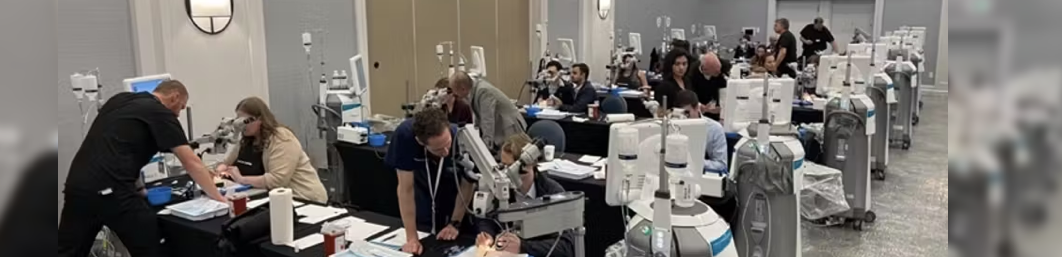


Vision is considered by many to be the most crucial of the five senses. However, access to vision care remains a challenge for those from underserved areas and low-income backgrounds. Additionally, patient education and awareness surrounding the potential long-term vision consequences of untreated chronic conditions such as hypertension and diabetes are lacking.
The specialized exam skills and terminology associated with ophthalmology often require years of dedicated practice, typically gained during residency and beyond. As medical students, we have limited opportunities for exposure to the field. Nevertheless, there are avenues for students interested in ophthalmology to contribute to their communities.
At my institution, Oakland University William Beaumont School of Medicine in Rochester, Michigan, I’ve had the opportunity to volunteer at health fairs that we host throughout the year. During one of these events, I met Brenda Ortega, the health and wellness coordinator for a nonprofit in southeast Michigan called El Centro Multicultural La Familia (El Centro) and the local Ventanilla de Salud program in Detroit. These organizations focus on health education and screening events for the Hispanic population. Ms. Ortega explained the need for vision screenings in her community and shared stories of young adults with vision loss due to limited access to eye care and health education.
I brought this matter to our clinical faculty, and we made it the primary goal of our Ophthalmology Interest Group to partner with El Centro and our local ophthalmology residency program at Corewell Health William Beaumont University Hospital to provide these services. Our event planning spanned nearly 2 years from start to completion. Ultimately, the screening was a tremendous success, and we're in the initial stages of organizing another. This article outlines the lessons we learned for those interested in organizing similar events in their communities.
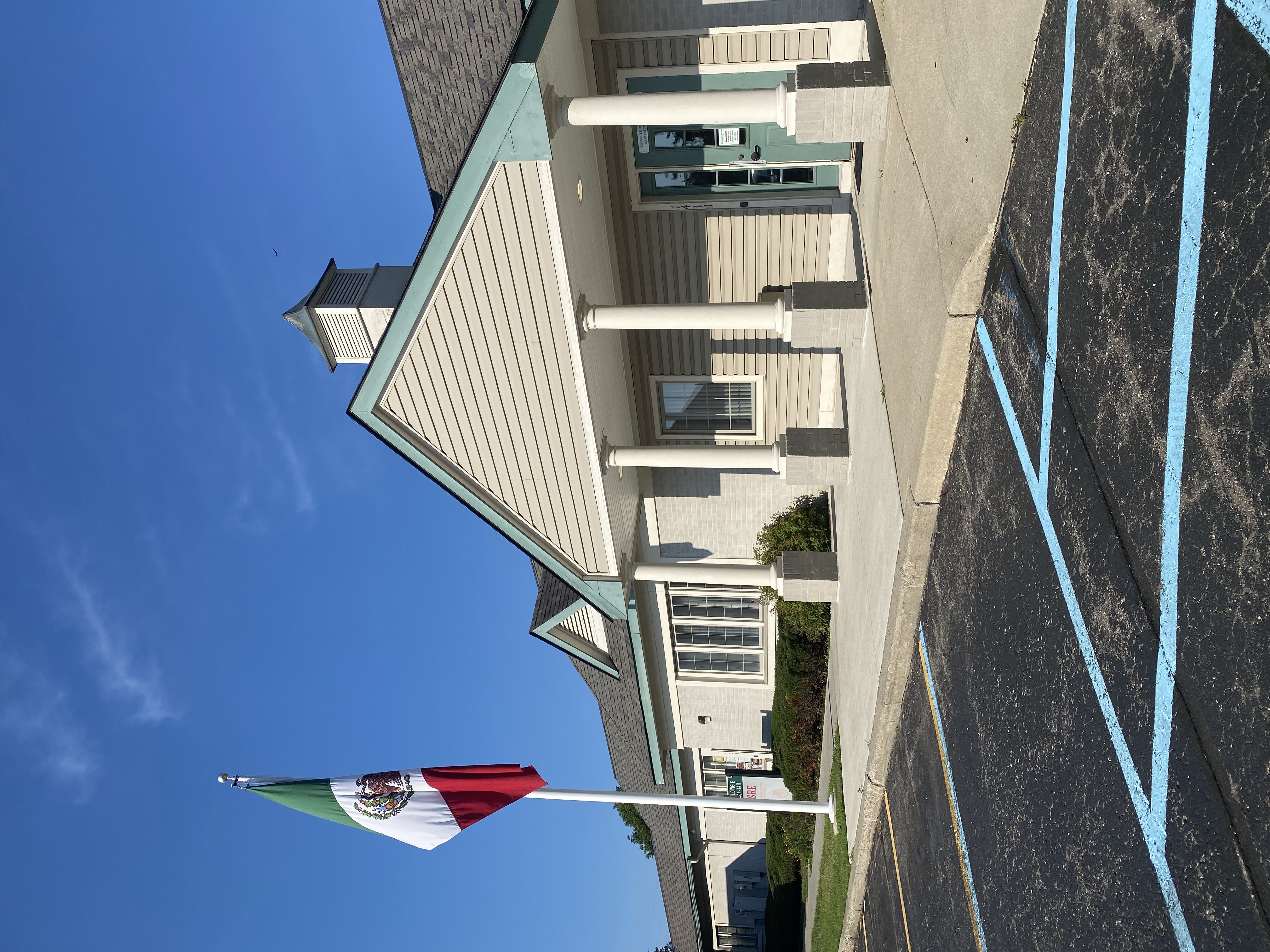
Figure 1. Our event took place at the local Mexican Consulate near Detroit.
RECOGNIZE A NEED AND FIND THE RIGHT PARTNER ORGANIZATION
It is important to bring the event to a community in need of the services being offered (Figure 1). Partnering with the right community organization will help ensure your program's ability to continue and to recruit those who need screenings the most. Volunteers from our partner organization helped with preregistration of patients as well as with patient flow, ensuring our efforts were well utilized and followed a set schedule (Figure 2).
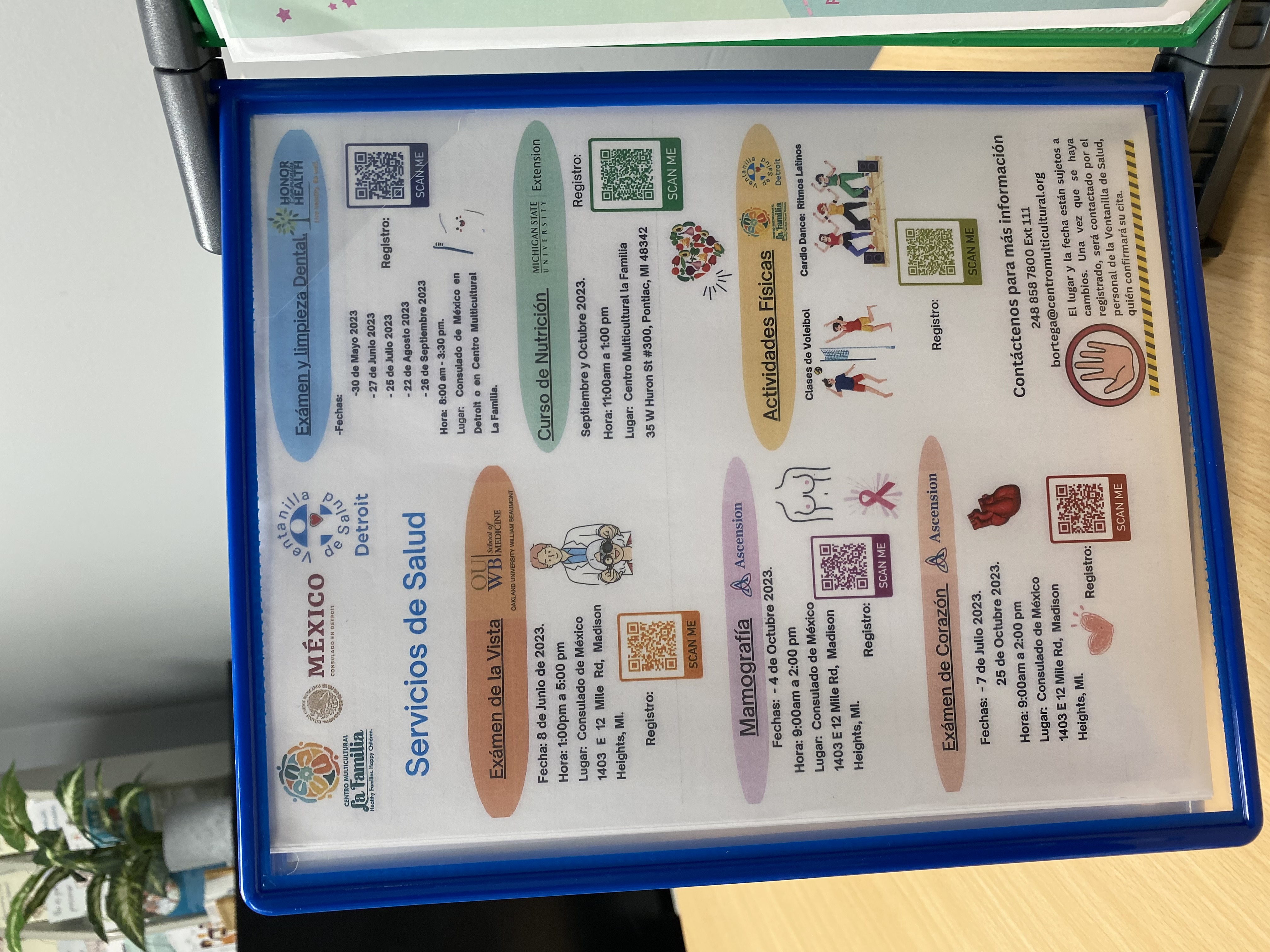
Figure 2. Our vision screening event was listed on a schedule along with other health screenings at the Mexican Consulate building.
PLAN AND PREPARE
Planning a vision screening event involves coordinating various elements, most importantly the volunteers. These are typically ophthalmologists (community physicians, faculty advisors, or residents), medical students, and translators, if serving a non–English-speaking community. In preparation for our event, we held a training session facilitated by our faculty advisors and residents, during which we practiced examining visual fields, administering eye drops, and checking IOP with a Tono-Pen (Reichert Technologies). For me and many of my classmates, this was the first time we could learn and apply firsthand our ophthalmology exam and history-taking skills.
We created forms for recording exam findings, modeled after the forms used by the Michigan Society of Eye Physicians and Surgeons at other local community vision screenings. We developed our forms in English and Spanish, and we included follow-up information for local free clinics and details about the primary program to which we referred patients, known as EyeCare America. EyeCare America, established in 1985 by the AAO, aims to reduce avoidable blindness and visual impairment in the United States. It connects eligible individuals with volunteer ophthalmologists who provide free eye care services, including comprehensive eye examinations, and surgical interventions for diagnosed conditions like cataracts.
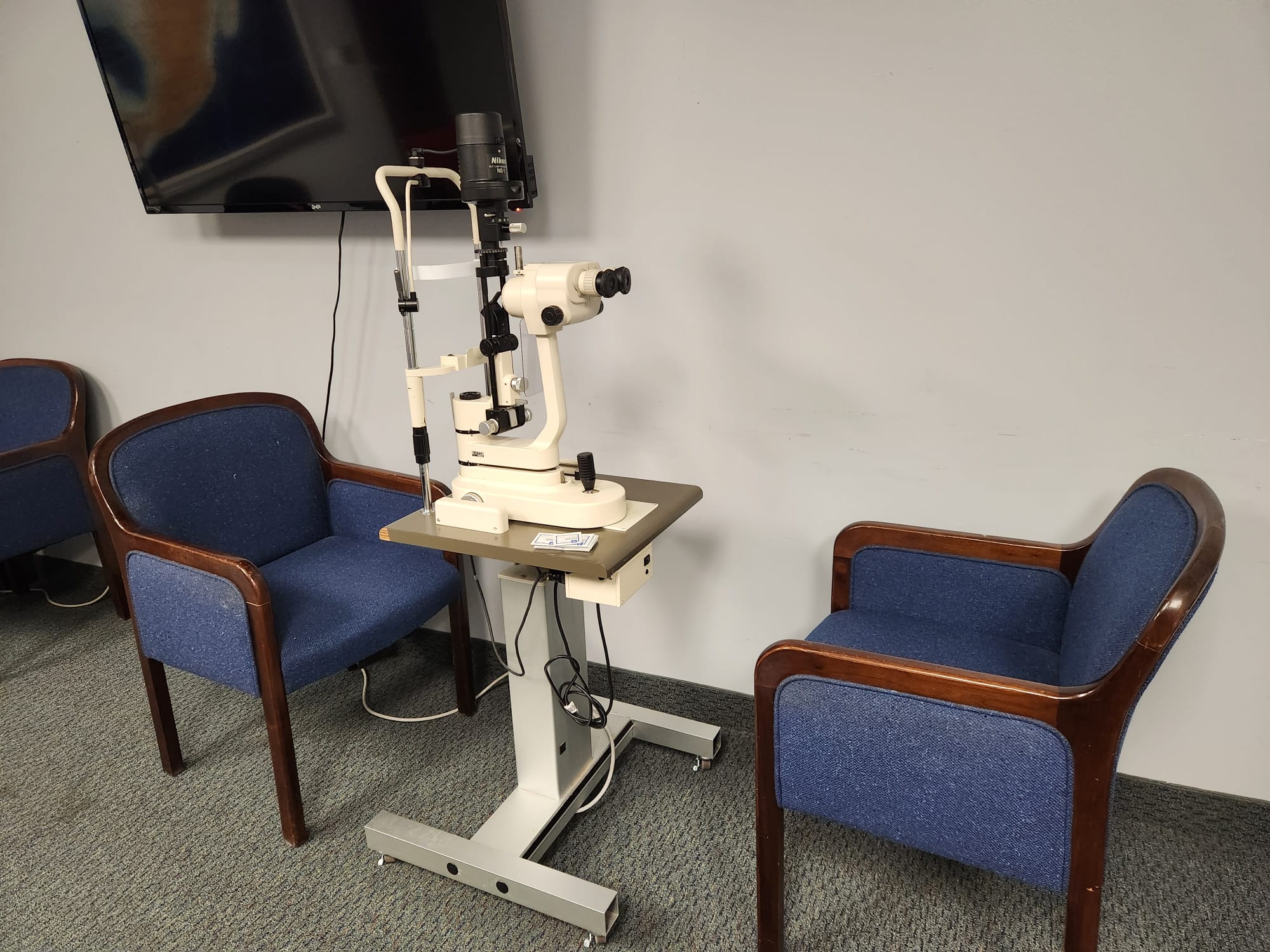
Figure 3. Three slit lamp stations were set up using equipment rented for the event.
SECURE FUNDING
We secured funding from various sources for the purchase of equipment and supplies. Our medical school and the local Lions Club chapter generously contributed. Additionally, we rented three slit lamps from a local medical equipment transportation company that houses equipment owned by the Michigan Society of Eye Physicians and Surgeons (Figure 3). Our ophthalmology faculty advisors brought their own indirect ophthalmoscopes, dilating drops, and tonometry devices. Purchases included reading glasses of various prescriptions, cases, cleaning supplies, pocket vision charts, blood pressure cuffs, and general health screening event materials such as gloves, hand sanitizer, and tissues (Figure 4).
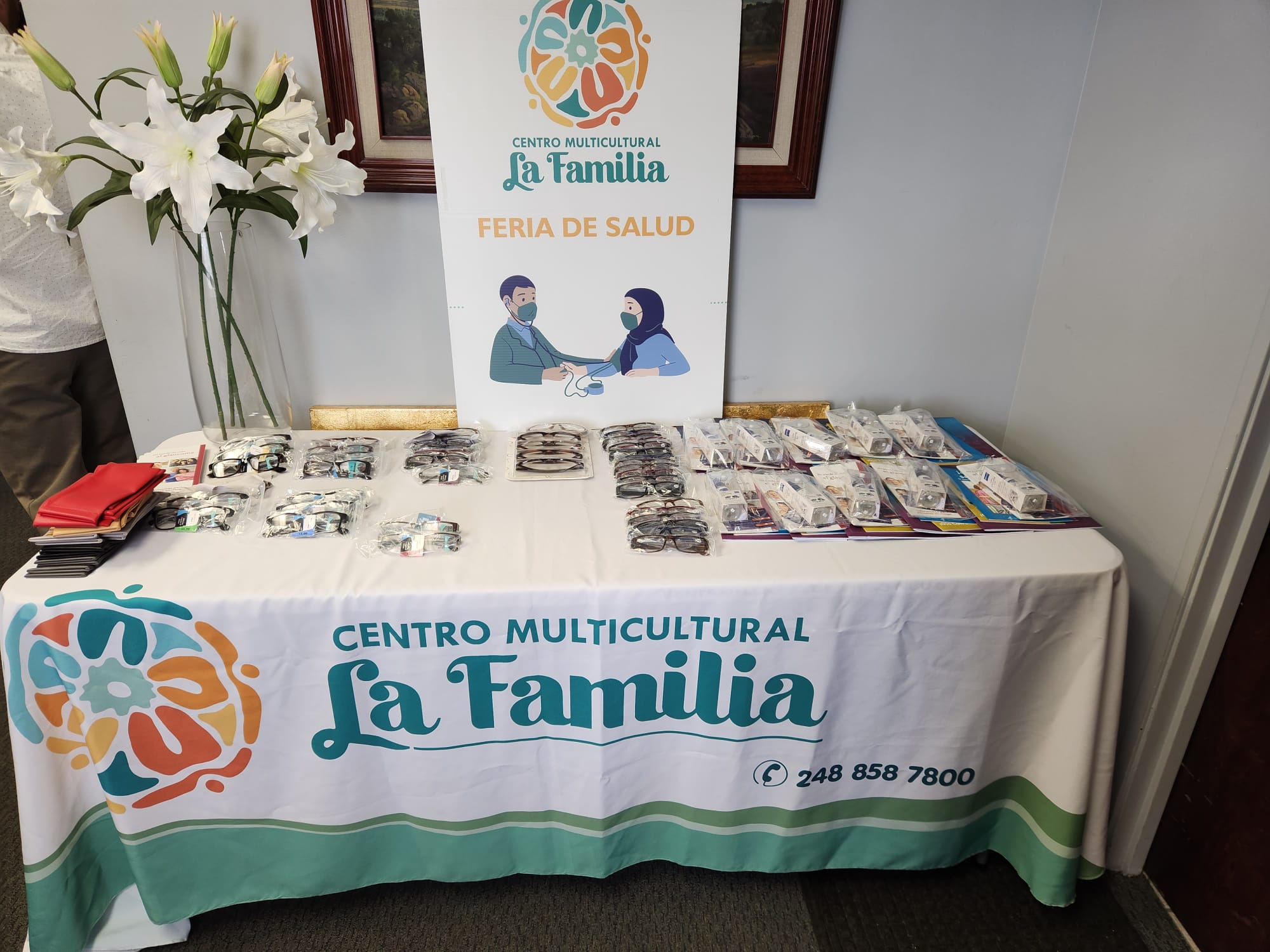
Figure 4. Glasses and other supplies were provided to each patient who attended the vision screening.
CONCLUSION
Organizing a vision screening is a powerful way to promote eye health and prevent vision problems among your community members. Planning an event like this requires a substantial investment in time, meticulous preparation, securing adequate funding, and rallying a team of dedicated individuals. By combining your efforts with both local and national programs such as EyeCare America, it is possible to make a lasting impact on the vision health of your community, one eye at a time.