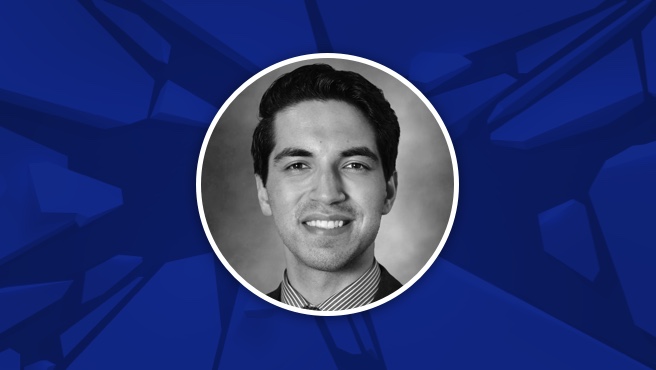


How did you first become involved in ophthalmology research?
I first became interested in ophthalmology as a college student, when I witnessed the life-changing impact of cataract surgery on patients’ quality of life during a volunteer trip to Ghana. While in college, I also worked in a molecular genetics lab that aimed to develop better therapies for fungal infections; this research experience instilled in me a passion for scientific discovery, as I witnessed firsthand how findings in the research lab can elucidate disease mechanisms and identify novel therapeutic targets. During medical school, I combined my interests in genetics and ophthalmology by pursuing a research experience in glaucoma genetics at the Duke Eye Center. The goal of the project was to better understand how LOXL1 gene variants contribute to the pathogenesis of exfoliation glaucoma, which is a highly prevalent and particularly aggressive form of glaucoma.
What is the focus of your research?
My research aims to leverage understanding of the genetic basis of glaucoma to optimize clinical care for affected individuals. Currently, many glaucoma cases are undiagnosed until advanced stages, leading to irreversible vision loss. Additionally, all therapies for glaucoma work to lower IOP, which is a strong risk factor for but not the root cause of disease development. All forms of glaucoma have a strong genetic component, and the goal of my research is to develop better methods for disease diagnosis, risk stratification, monitoring, and therapy based on a given individual’s genetic profile.
Who is/are your research mentor/mentors?
I am currently funded by a K23 Clinician-Scientist Career Development Award from the National Eye Institute, and I am fortunate to have an outstanding team of mentors for this award who have complementary expertise relevant to my research interests and career goals. This includes Janey Wiggs, MD, PhD; Tobias Elze, PhD; Jim Handa, MD; Jae Hee Kang, ScD; Lou Pasquale, MD, FARVO; Ayellet Segre, PhD, MSc; Dan Stamer, PhD; and Don Zack, MD, PhD. I am grateful for their support and commitment to my career development.
How do you typically find a research opportunity or identify a project you would like to pursue?
I think it is important to pursue research projects that genuinely excite you and ones that explore meaningful questions that can improve patient care.
What areas of research excite you most about the future of ophthalmology?
I am obviously biased, but I am excited to see how genetics changes the practice of ophthalmology (and medicine overall) in the years to come! Genetic testing/polygenic risk scores will likely play a role in determining who is at risk for a given disease and warrants close monitoring. Additionally, gene-based and other targeted therapies may provide a cure for blinding eye conditions. Aside from genetics, I am eager to see how telehealth will change the practice of ophthalmology, and I look forward to the development of stem cell/regenerative therapies for various ocular diseases.
What advice would you give to other aspiring or young ophthalmologists looking to conduct research?
Great mentorship is critical for research career development, so seek out mentorship opportunities! Ophthalmology residency and fellowship training are busy periods, but staying involved in small projects and presenting at meetings can be helpful for ongoing exposure to the field and meeting new mentors/collaborators.
View some of Dr. Aboobakar's research here: