



Innovation Journal Club is a new series on Eyetube that takes an in-depth look at podium data, peer-reviewed literature, and OUS experiences related to innovations and technologies that offer to change the way ophthalmology is practiced in the real world. Hosted by I. Paul Singh, MD, of The Eye Centers of Racine & Kenosha in Wisconsin, the series is editorially independent and supported with advertising from multiple companies, thus giving viewers an unvarnished and unbiased look at emerging trends in ophthalmology. Each episode features interviews with leading experts from across eye care subspecialities, which simultaneously broadens the scope of topics while also serving to sharpen the focus of the content of each discussion.
In the inaugural three episodes, Dr. Singh sat down with James A. Katz, MD, of The Midwest Center for Sight in Chicago, to talk about innovations in cataract surgery; Nathan M. Radcliffe, MD, of New York Eye Surgery Center to explore emerging trends in glaucoma; and Brandon D. Ayres, MD, of the Wills Eye Hospital in Philadelphia to discuss innovations in cornea. As a service to readers, and to further extend the reach of this series, below is a summary of each episode.
Innovations in Cataract Surgery
James A. Katz, MD
The inaugural episode of Innovation Journal Club featured a conversation between I. Paul Singh, MD, and James A. Katz, MD, about the emergence of enhanced monofocal IOLs and the implications of long-term data on a trifocal IOL.
Enhanced Monofocal IOLs
Enhanced monofocal IOL offerings are a growing category within the implantable lens space and may well be the new standard for the future of the category.
A number of lens options, either currently available or coming soon to the US market, fit into the definition of “enhanced” monofocal (Table 1). While the “conventional” monofocal is intended to offer uncompromised distance with minimal incidence of photic phenomena, the “enhanced” moniker implies that the technology is designed to offer improved intermediate vision. According to Dr. Katz, what they are really doing is giving patients more functional vision for daily living.
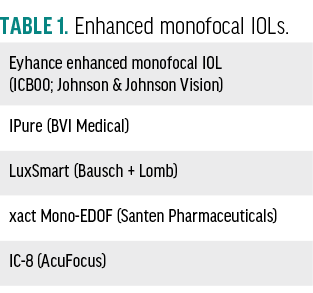
“We deal with intermediate vision all the time. We’re talking about using the computer, tablets, iPads, seeing the dashboard, seeing our food when we eat,” Dr. Katz said. “Even my patients who read a lot often say, ‘oh, no, I read on a tablet. I read on an iPad.’ So even when they’re voracious readers, they’re still using their intermediate vision.”
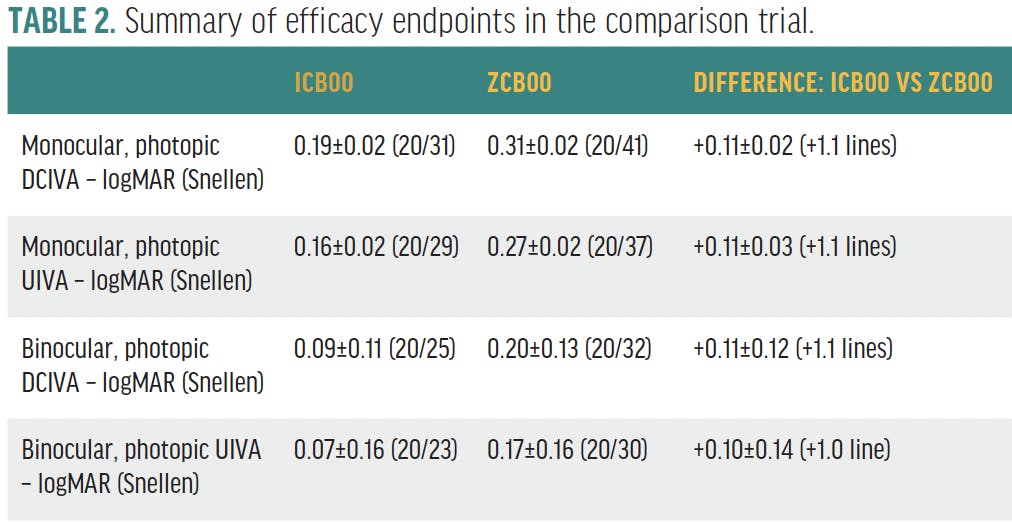
Data from a study comparing the ICB00 to a “standard” monofocal IOL (ZCB00; both from Johnson & Johnson Vision) help to demonstrate the differences in visual outcomes.1 At the 6-month follow-up visits, patients in the ICB00 group had gained an additional line of vision compared to the ZCB00 group (Table 2) with equivalent outcomes at distance (data not shown).
While the advantages associated with additional intermediate vision postoperatively are broadly applicable to cataract patients, there may be certain patients for whom an enhanced monofocal IOL makes even more sense. For example, patients interested in maintaining an active lifestyle, but who are concerned about the potential for photic phenomena associated with advanced technology lenses, would seem to be ideal candidates. Beyond that, because enhanced monofocal IOLs as a category are associated with little compromise in quality of vision, patients with mild retinal pathology might also be potential candidates for this kind of offering.
>Long-Term Data on Multifocality
In properly selected patients, the AT Lisa Tri 839MP (Zeiss) trifocal IOL offers to improve vision across a range of distances and potentially get patients out of glasses. But how should surgeons counsel patients about their long-term visual prognosis?
A recent study reporting 6-year outcomes provides insights on the IOL’s stability, how to educate patients, and how to set expectations.2 Among 37 eyes available for analysis, the mean monocular distance corrected visual acuity was 0.05 logMAR (20/22 Snellen equivalent), 0.08 logMAR (20/24 Snellen equivalent), and -0.05 logMAR (20/17 Snellen equivalent) at near (40 cm), intermediate (67 cm), and distance, respectively. Of note, 6-year outcomes were equivalent or better than previously-reported 12-month outcomes (Figure 1).
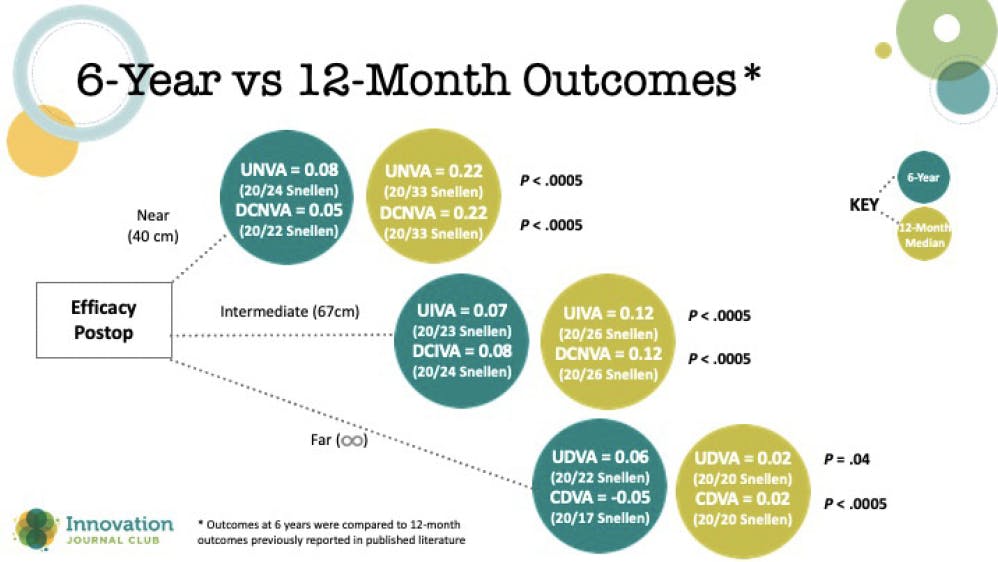
Figure 1. Comparison of visual outcomes at 6 years compared to 12-month outcomes reported in previously published studies.
The study also included patient interviews among 62 patients, which were used to assess visual function, spectacle independence, and satisfaction with the IOL’s performance. The mean score on the validated visual function questionnaire was 94.73, and 85% said that they had no difficulty performing visual tasks. Occasional use of glasses was reported by 19.4%, and 96.8% said they were comfortable without glasses for distance and intermediate vision. Crucially, close to 90% of respondents said they would choose the same IOL again.
“This is what we want to learn from these types of studies,” Dr. Katz said, because it will help shape “how to set those expectations ahead of time.”
1. Auffarth GU, Gerl M, Tsai L, et al; Quantum Study Group. Clinical evaluation of a new monofocal IOL with enhanced intermediate function in patients with cataract. J Cataract Refract Surg. 2021 1;47(2):184-191.
2. Fernández J, Rodríguez-Vallejo M, Martínez J, et al. Long-term efficacy, visual performance and patient reported outcomes with a trifocal intraocular lens: a six-year follow-up. J Clin Med. 2021. 7;10(9):2009.
Innovations in Glaucoma
Nathan M. Radcliffe, MD
In episode 2 of Innovation Journal Club, I. Paul Singh, MD, discussed long-term data on the Hydrus Microstent (Ivantis) and the emerging interest in viscodilation procedures for treatment of glaucoma with Nathan M. Radcliffe, MD.
Long-Term Hydrus Data
Long-term results of the prospective, multicenter, randomized HORIZON trial that retained 80% of patients help confirm some of the suggested benefits associated with the Hydrus Microstent.
In the study, combination surgery with the microstent plus phacoemulsification yielded significantly better medication reduction compared to cataract surgery alone (Figure 2). The microstent was also associated with a 66% reduced risk of requiring incisional glaucoma surgery at any time during follow-up (rate of reoperation: 6.4% in the Phaco alone group vs 2.5% in the Hydrus + Phaco group). According to Dr. Radcliffe, the outcomes apparent in the long-term data are statistically significant, but more germane to real-world practice, they are also clinically meaningful to patient’s lives.
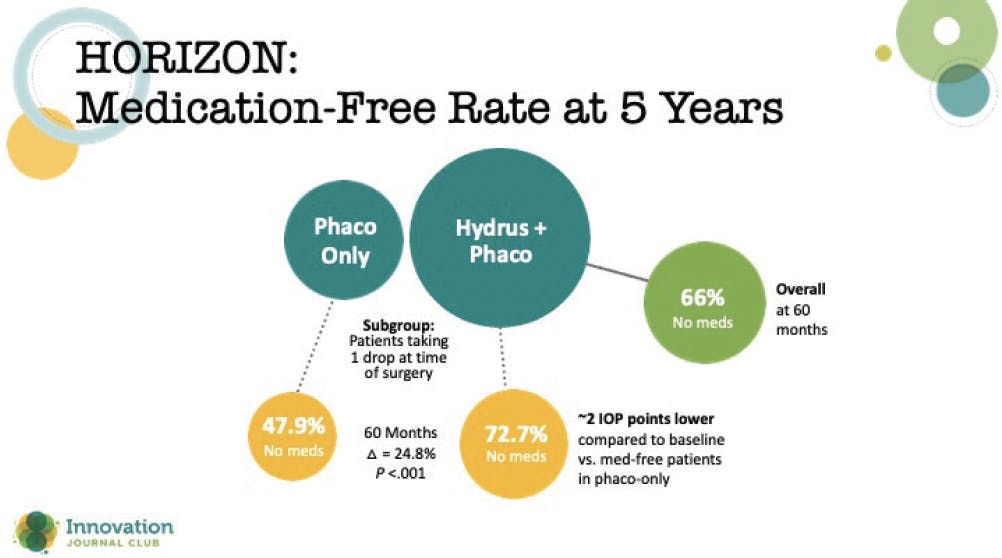
Figure 2. Medication-free rates at 5 years in the HORIZON study.
“Realistically for glaucoma patients, particularly if it’s mild or even some moderate disease, it’s not the glaucoma that’s impacting their quality of life at that stage. It’s the medications,” Dr. Radcliffe said.
Another analysis to come out of the HORIZON data set, in which investigators conducted a pointwise linear regression analysis to look at individual points within the visual field for evidence of progression, was recently presented at the AAO 2021 meeting.1 In the latter, despite both groups of patients achieving similar target pressure, eyes receiving the microstent plus phaco had fewer progressing points compared to phaco alone.
“Pressure isn’t pressure. There’s a quality to pressure. If it’s a certain pressure on a med, that’s a lower quality. If it’s a pressure on something that is a real treatment like a stent, then that’s probably a better pressure. And we’re seeing that in the outcomes data,” Dr. Radcliffe said. “To me, this is why we have to keep stents as a part of our treatment. They have really good data behind them, and they really help people.”
The Growing Interest in Viscodilation
A recently reported interim analysis of the Streamline Surgical System (New World Medical)2 adds to a growing body of research on viscodilation procedures, a category of MIGS that seems to be gaining traction in glaucoma management.
In the Streamline interim analysis, IOP was reduced from 23.3±4.7 mm Hg on a mean 1.8 medications at baseline to 14.9±6.1 mm Hg on a mean 1.1 medications at 6 months among 10 eyes available for analysis. While it may be too early to draw definitive conclusions about the device, the data so far aligns with experiences with other viscodilation procedures already available in the clinic.
“We know this works,” Dr. Radcliffe said about viscodilation procedures. “And the one thing we’re seeing, the more studies that come out, is pretty consistent results with a lot of different approaches. So, I think we’re there. And now we just need to change our mindset and start using these procedures more.”
1. Gazzard et al. AGS 2022 Abstract (in review).
2. Yeu L, Lazcano G, Batlle J, et al. Interim Results of a novel dual-port microcatheter used to delivery viscoelastic in Eyes with Primary Open-Angle Glaucoma (POAG). Presented at the American Society of Cataract and Refractive Surgeons. July 23-27, 2021; Las Vegas, NV.
Innovations in Cornea
Brandon Ayres, MD
Episode 3 of Innovation Journal Club featured a discussion between I. Paul Singh, MD, and Brandon D. Ayres, MD, on two hot topics in cornea: advanced keratoconus diagnostics and neurostimulation for treatment of dry eye disease.
Keratoconus Consensus Panel
According to Dr. Ayres, the advent of advanced keratoconus diagnostics has been a boon for identifying patients with early ectatic changes so that they can be considered for treatment—corneal crosslinking—that halts progression. As well, he said, identifying red flags for keratoconus is also finding a bigger role in the context of evaluating patients for keratorefractive procedures.
“Once you’ve done refractive surgery on somebody, if they develop keratoconus down the road, now we call it postrefractive ectasia, and now it’s your fault. So this is a lot like the dry eye scenario where you do cataract surgery on a patient and they develop dry eye. Now it’s your fault, even though they had some risk factors beforehand. Same is true with keratoconus,” Dr. Ayres said.
Consensus findings from a recently convened panel of 13 cornea experts in ophthalmology and optometry, Dr. Ayers added, largely confirmed a widely held belief among cornea experts: that screening for keratoconus is not always as stringent as it needs to be.
According to Dr. Ayres, evaluation of tomography and topography, along with a thorough clinical evaluation, still forms the basis for diagnosing keratoconus. Additionally, in selected cases, such as in eyes with forme fruste keratoconus and in patients with borderline findings on imaging, genetic testing may add important information to the overall risk profile.
An important question, though, is how genetic testing should be employed in clinical practice. Although it may not be altogether useful in patients with a confirmed diagnosis, genetic testing has definite value for family members of those patients, to understand how closely the eye should be monitored. For example, the on-market AvaGen genetic test for keratoconus (Avellino), performed with a buccal swab, compiles a risk score based on screening for 75 genes and over 2,000 genetic variants known to be associated with the risk of developing keratoconus. Based on the results, the ophthalmologist can determine the timing and frequency of follow-up.
While some surgeons use genetic testing as a general screening tool for all keratorefractive candidates, Dr. Ayres said he is using it more so for targeted screening and as a tiebreaker in cases where he is uncertain if laser surgery is in the patient’s best interest.
“I’ve reserved genetic screening for patients who give me that moment of pause, who give me that little bit of a funny feeling, and I want more information on them before I give them the full okay,” Dr. Ayres said.
Stimulating Basal Tear Production in Dry Eye Patients
The phase 3 ONSET-2 study evaluating the safety and efficacy of varenicline solution nasal spray (OC-01; Tyrvaya; Oyster Point Pharma) suggested the potential to restore natural tear production in patients with dry eye disease.
Among 758 patients followed for 4 weeks, a significantly greater percentage of patients treated with the 0.03 mg dose (n = 260) or the 0.06 mg dose (n = 246) of varenicline solution nasal spray achieved 10 mm or greater improvement in Schirmer score over baseline compared to vehicle (n = 252). According to Dr. Ayres, while that outcome is indicative of the active treatment achieving its primary efficacy endpoint, other findings in the study demonstrate the relevance of the novel dry eye treatment for real-world patients. In a post-hoc analysis, varenicline solution nasal spray consistently demonstrated significantly better improvement in Schirmer score over baseline in various subgroups (Figure 3).
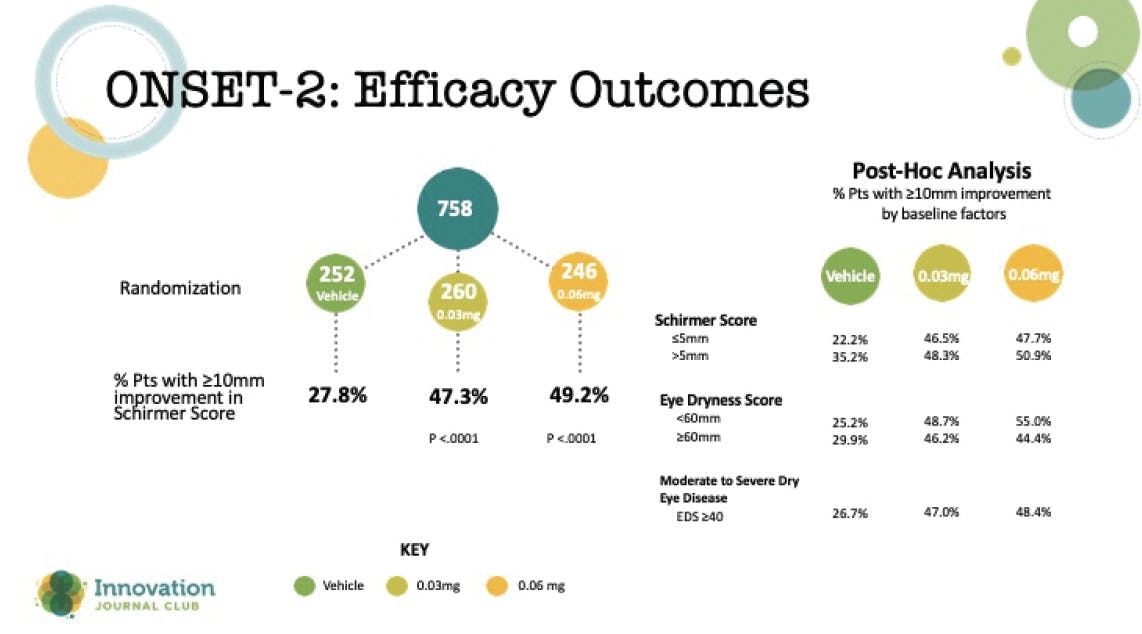
Figure 3. Summary of efficacy outcomes from the ONSET-2 study.
“There’s often a disconnect between FDA trials and what we see clinically,” said Dr. Ayres. “Not so much with this. This is one of the only medications where I’ve had spontaneous feedback: ‘This is the best thing I’ve used in the past 10 years.’”
The results are perhaps unsurprising, Dr. Ayres said, given the treatment’s mechanism of action. A puff of medication to the nose (the drug is not intended to be inhaled) stimulates the trigeminal nerve, which innervates the lacrimal glands, the accessory lacrimal glands, and the meibomian glands, thereby stimulating the parasympathetic pathway to induce basal tear production.
Fundamentally, varenicline solution nasal spray appears to be addressing the pathology of dry eye disease by restoring homeostasis of the tear film, allowing physiologic compensatory mechanisms to function as intended. The latter has the effect of staving off progression of the dry eye cascade, with attendant benefit for preventing apoptosis, loss of gland function, and other downstream consequences of dry eye disease.
Although not studied in the ONSET-2 study, other research suggests that neurostimulation in the context of dry eye yields disruption of impacted meibomian glands, release of goblet cells, and restoration of balanced, healthy tears. Thus, it may be the case that neurostimulation has durable benefits even after treatment.
Regardless, what does emerge from this and other studies, Dr. Ayres said, is that neurostimulation is an effective treatment across a broad range of dry eye severities, and also regardless of etiology.
1. Wirta D, Vollmer P, Paauw J, et al; ONSET-2 Study Group. Efficacy and safety of OC-01 (varenicline solution) nasal spray on signs and symptoms of dry eye disease: the ONSET-2 phase 3 randomized trial. Ophthalmology. Published online ahead of print Nov 10, 2021.


_1739967764.png?auto=compress,format)